
It was almost a year ago when I got off the Android train onto the iPhone bus. According to the statistics at the time, 85% of the smartphones in the world ran Google’s mobile operating system. The market was lousy with them, then an opportunity came, and now I am in Apple’s camp.
Before I picked up the iPhone XR, I was using the Samsung Galaxy Note 9. It was my workhorse: my voice recorder, camera, note taker, and everything else I needed it to complete a job.
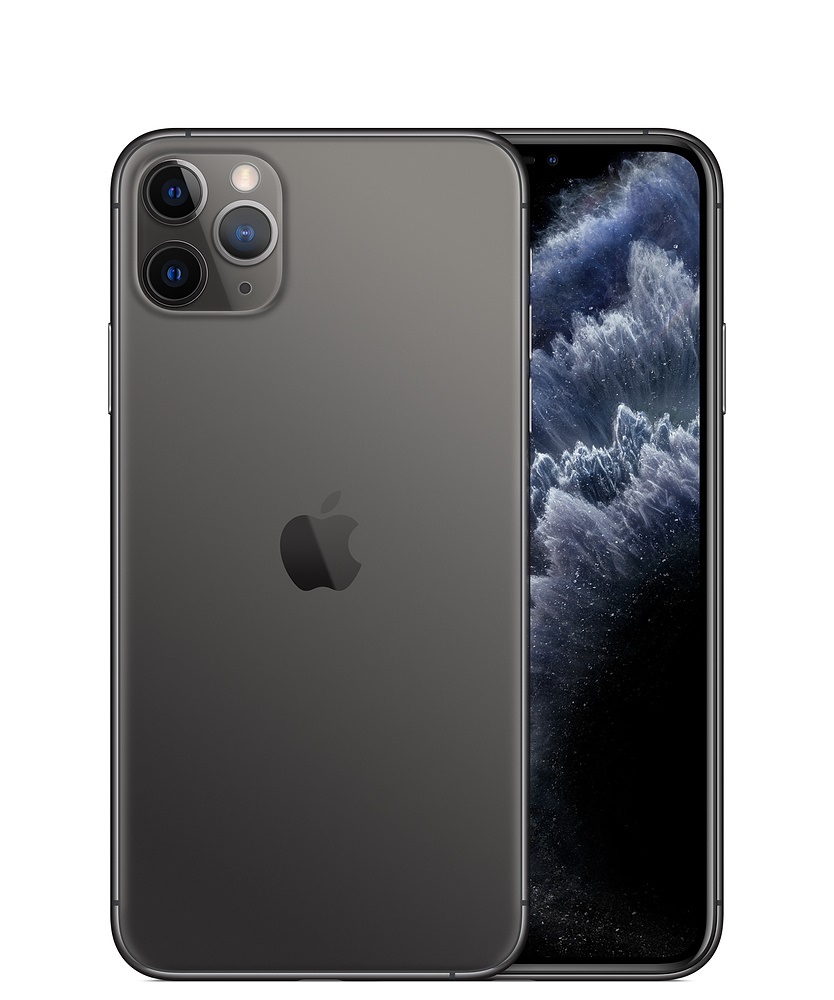
Now, I rock an iPhone 11 Max Pro.
I do not miss Android, and I do not think that most people who switch would too. All the Google apps I depended on are available on iOS, so it helped with the transition.
Services like Google Photos, Google Drive, Google Keep, and Google Maps were indispensable. I still use Drive for writing, Maps to navigate, and Keep for notes, but I have completely transitioned to the iOS Photos apps when it comes to image storage and sorting, and started to warm up to Notes.
I do not miss the plethora of Android UI variants. Every phone maker puts its brand on the OS, and each comes complete with its quirks and unsolicited features, and it gets frustrating. iOS feels leaner, like how a stock Android would feel. But good luck finding that, few phone makers use stock Android.
That said, I do miss the app drawer. A feature that is available on most recommended Android phones and missing on the cheaper ones because they try to imitate the iPhone. Personally, Samsung’s implementation of it, which lets users make folders and arrange everything alphabetically is the best.
Because of the lack of app drawers and automatic organisation, I use fewer apps on my iPhone. Sure I can use groups, but, resetting the home screen layout to get everything in alphabetical order undo the groups.
Rumour has it that the app drawer is coming in the next iteration of the iOS.
I did not experience any significant performance issues while using the iPhone 11 Pro Max. There were no crashes or errors so bad that I had to initiate a restart or a reset. Slowdowns and minor hiccups happened in the early days when some apps were not yet optimised for the new iOS. But, by now everything has been ironed out.
This is to be expected with all flagship phones when they are relatively new.
With exceptional processing power comes excellent photo and video results. The camera sensors on these smartphones are rated at 12MP, and yet the iPhone has taken back its crown as the best mobile photography device with the 11 series. The different lens options and the optical stabilisation does a lot for photos and videos.
It is a tool beyond my skill level. I have taken some photos suitable for print and videos good enough to publish with the iPhone 11 Pro Max. However, in the hands of a professional photographer, the iPhone 11 series can produce wonders. I’ve seen it first hand.
Thanks to the same professional photographers I work with, AirDrop has become an indispensable tool at work. We use it to transfer large photo and video files between devices, fast. This works because everyone at the desk uses an iPhone.
The biggest reason why I stuck with the iPhone this past year is privacy. On the surface level, Google’s Android privacy options look similar to Apple’s iOS. Still, one company makes money by selling ads to you while the other is not interested in your data.
It is difficult to describe as most of it works in the background. You know how people say that they would be talking about something in a private conversation, but suddenly it appears as an ad in their social network? This is the opposite of that.
Apps can’t have access to my information while I am not using them, and I notice less cross-app advertising. It still happens, but I can usually trace it to the offending app or habit.
There is also this feature called Sign In With Apple. It was touted during launch, but I have only begun to see it in the wild recently. The cool thing about it is it lets you, in some cases, create an account or login into an app or service, without the need to give up your real name and email address. It is impressive from a privacy point of view.
Not everything is perfect in the would of iPhones. I miss some of the quality of life features that Android offers, those little shortcuts and abilities that makes things just that much easier. For example, the ability to go into an app’s setting from holding down the app icon at the home screen. Those little things accumulate.
The most frustrating part of using an iPhone is the lack of features because of geographical restrictions. Take Samsung Pay, it is available in Malaysia and has been around for years, but Apple Pay is not. The News app is not available in Malaysia either. It is frustrating for someone who is in the know.
That said I would still recommend an iPhone to anyone who is looking for a flagship phone, even an Android. More specifically, the iPhone 11. The price is comparable with a flagship Android, but what you get is a no-nonsense top of the line performance with practical and useful features, not just novel ones.
 Azizul Rahman Ismail