
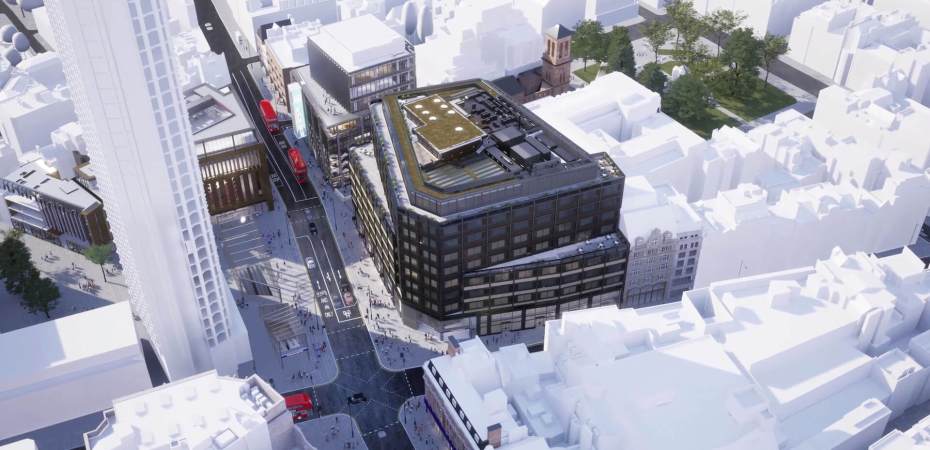
The folks at Epic Games Sea and India recently released a by-line article by their general manager, Quentin Staes-Polet. In it, he wrote about how the Unreal Engine, commonly used for making video games, can be a tool for property developers to realise architecture before it is built.
For enterprises, this means that they can see their sell, collaborate, and make adjustments to their projects remotely before a single hole is dug.
For consumers, we can see our future homes or even check out properties that we would otherwise be too shy to view in person, remotely.
This idea of using a video game engine in the architecture and property market is feasible now thanks to the technology and the circumstances. Travel is still not possible for everyone and the technology has advanced to a point where it could accurately represent buildings and its interior realistically and accurately.
But, a monitor or display will not do. Epic is looking to combine their technology with Virtual Reality so that developers could give their clients a better sense of the project. A walkthrough of a new apartment could be done via a VR headset provides a convincing experience.
Although, wearing a headset may not be for everyone, perhaps using an iPad Pro or an iPhone Pro with LiDAR would be more practical for now.
“Malaysia is bound to witness a strong adoption trend in future, aided by high-speed 5G network deployment. The burgeoning ecosystem of connected devices, which is estimated to grow further, as well as ample government support, will drive the general VR adoption in the country—fastening its presence in the architecture industry,” wrote Staes-Polet.
However, I have my doubts. It took public and politically fuel effort to make anything infrastructurally significant to happen here in Malaysia. Telcos are not going to do it out of the kindness of their hearts.
 Azizul Rahman Ismail