
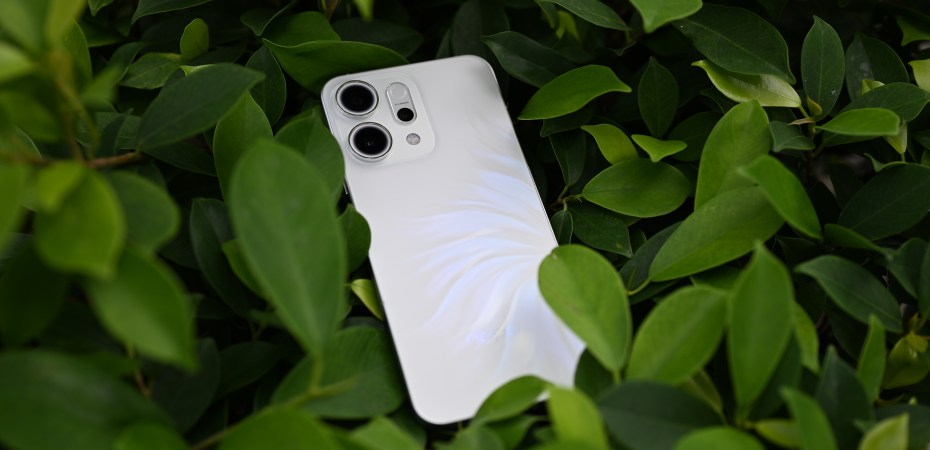
On the Oppo Reno14 5G, AI Flash Photography is touted as its most defining feature—second to its Iridescent Mermaid Design and above its AI Editor 2.0 tools. The technology utilises a combination of the device’s high-resolution cameras, triple flash, and advanced processing capabilities to capture natural-looking photos of moments in dimly lit situations. It aims to address a common issue with most phone cameras, particularly in low-light and flash photography.
With a camera, flash photography is a versatile technique that can be used to take better photos in dark conditions, capture motion, illuminate a subject when the background is bright, and have many other creative applications. All phone cases are also capable of flash photography. However, on most devices, flash photography is not favoured because of its intrusiveness and harsh results.
Due to the nature and consequences of flash photography, most device cameras resort to processing or long exposure times. In active situations, this type of photography often results in blurred photos, dull lighting, and muddled colours. AI Flash Photography aims to address this issue.
A sudden bright light is harsh, no matter what, but what AI Flash Photography does is make photos look as if they were taken with a controlled flash. With the photographs I took, the result was sharp and pleasing-looking photos with natural-looking colours that capture a moment in low light.
My subject was the office cat. She is small, anxious, and furry, making her an ideal subject for testing the Reno14 5 G’s ability to capture sharp, detailed, and attractive photos in dim lighting.
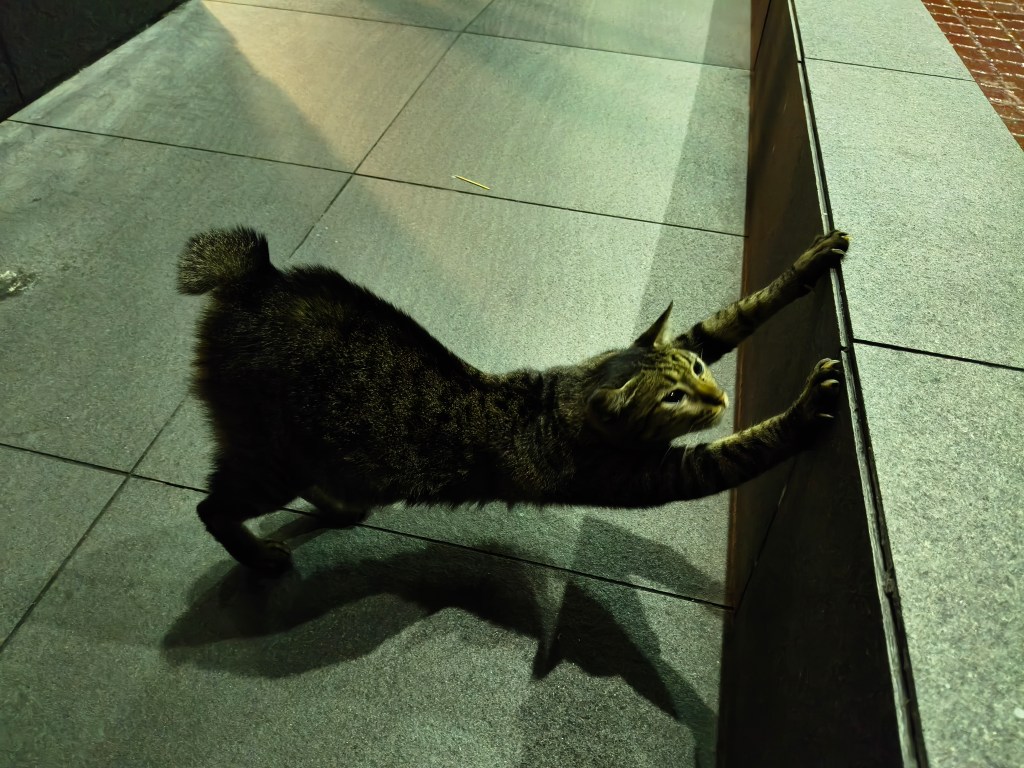
The office cat’s anxiousness makes it impossible to take long exposure photos. Still, the Reno14 5G performed well. The movement appears as motion blur, the detail is excellent, and the colours are accurate.
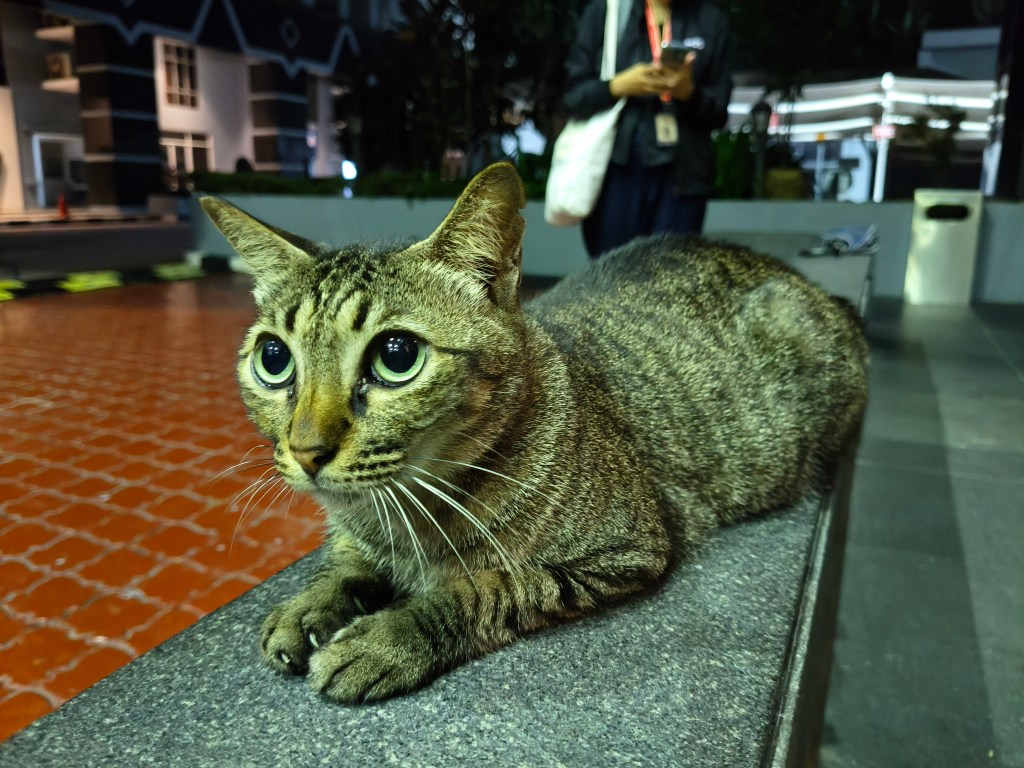
In a close-up—and when the office cat stayed relatively still—the photos look better to me. The sharpness of her fur and eyes showcases what the Reno14 5G’s camera can do on its own.

With AI Flash Photography, the colours look more accurate and the detail crisper. When zoomed in, the telltale artefact of a smartphone photo is reduced. But, the flash has limited range.

This AI Flash Photography shot of the office cat, I think, says it all. The feature is impressive. She looks right, with no blur. The photo is bright but not blown out, and the colours look natural. At the same time, she is blinking, as flashes often cause people to do, and a close-up yields a better result.
For me, this means that AI Flash Photography is situational. It works best in low lighting, where the subject does not mind the photographer getting close and having a bright light shine on their face, such as at a gathering or personal event. If you often take photos in this situation, the Oppo Reno14 should have more weight in your evaluation.
Strangely, the feature is not the Oppo Reno14 5 G’s default camera setting. I had to manually set the flash to ‘on’ from ‘auto’ to force the device to use the flash instead of a long exposure.
Photographically, I recommend the Oppo Reno14 5G if it fits their budget, as it is a new model. Getting an Android device early and new means getting the promised major updates, which means the device would stay current for longer. In this case, Oppo promised 5 major colorOS updates.
Yes, my recommendation to get the Oppo Reno14 5G for photography is not based on its actual photography capabilities, as all contemporary devices generally take good photos, especially in bright lighting conditions. Because of this, photography features mean less than editing features for those who only post on social media. For them, the Oppo Reno14 series has the latest AI Editor 2.0 tools.
 Azizul Rahman Ismail